Huge Range Icon Huge range of Lighting
Delivery Icon Free next day delivery – Order by 1pm
Have a question? 02039166116
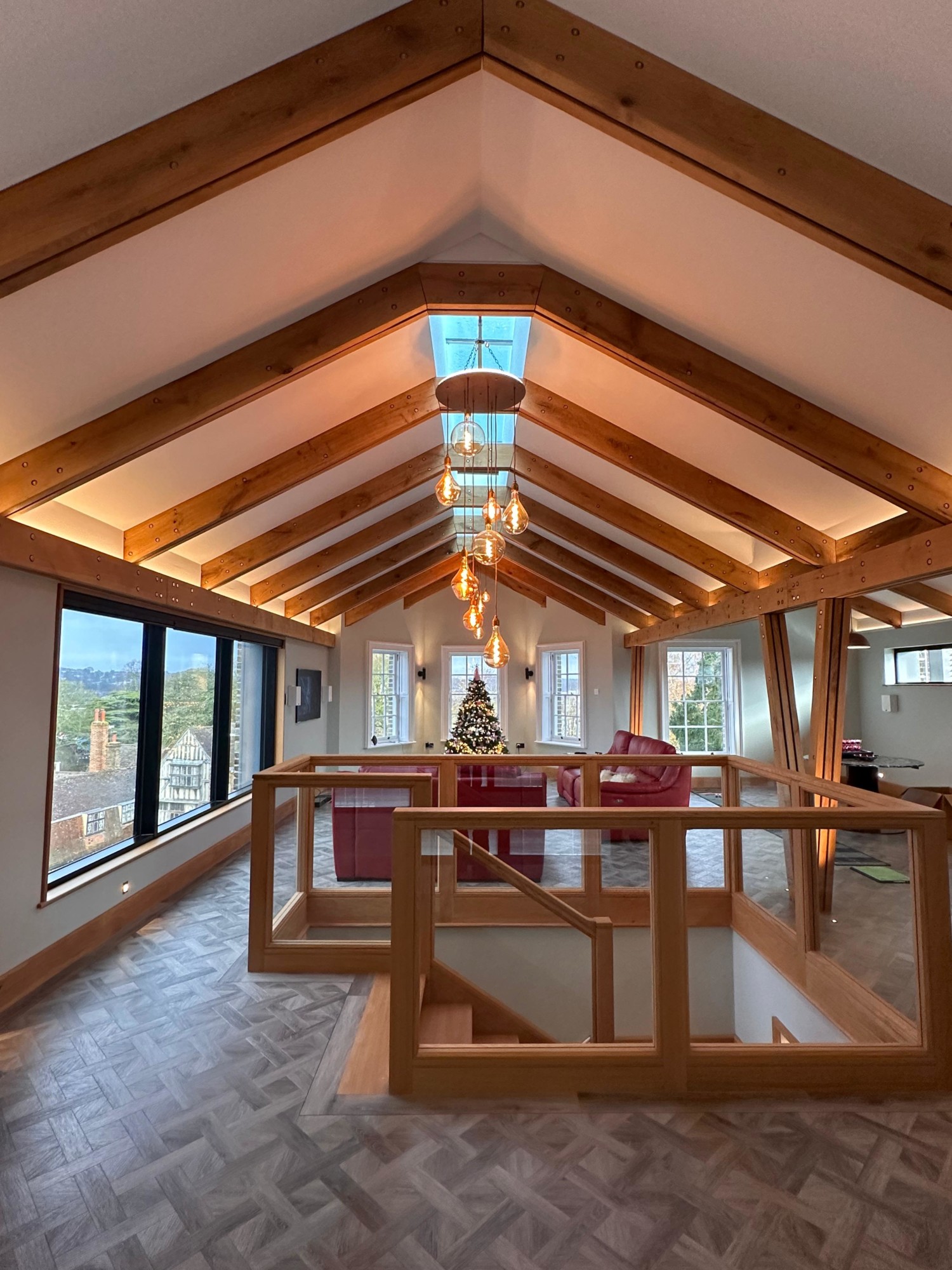
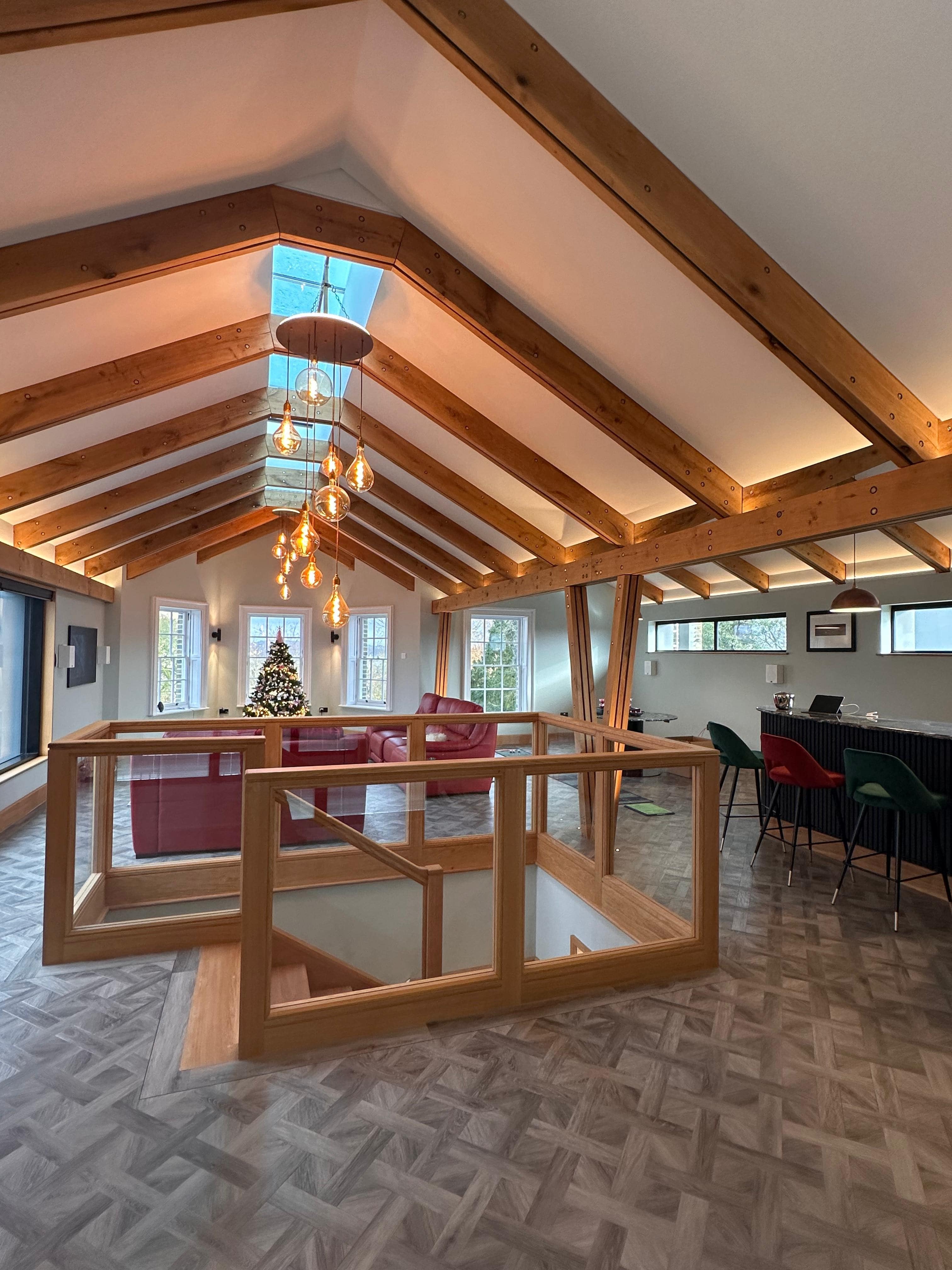
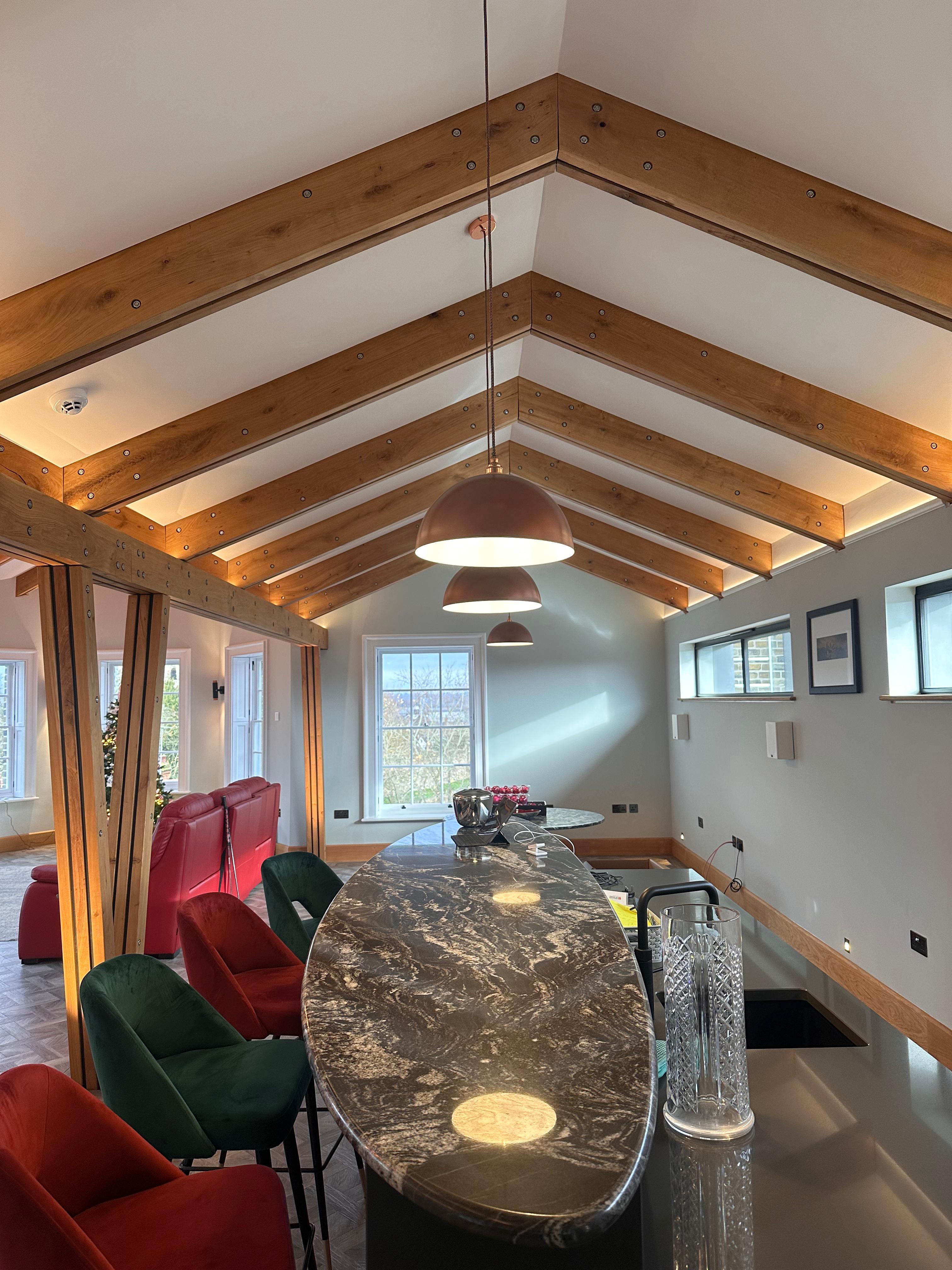
Linear LED Ambient Lighting

Creating the Perfect Ambient LED Lighting


When installing Ambient LED Lighting many clients automatically use a 10w strip by default.

This is the right product for primary lighting if the fitting being made is relied upon to be the main source of light. But, as you would expect, this has a knock-on effect to the cost of drivers and control gear.

It's not unusual for installers to use 10-20wpm strips. They often use controls and/or drivers to dim down to the required level.

Not only does this mean you are paying more for the strip, but also a higher cost for drivers and controls. So, when planning your Profile & lighting setup, consider these costs.

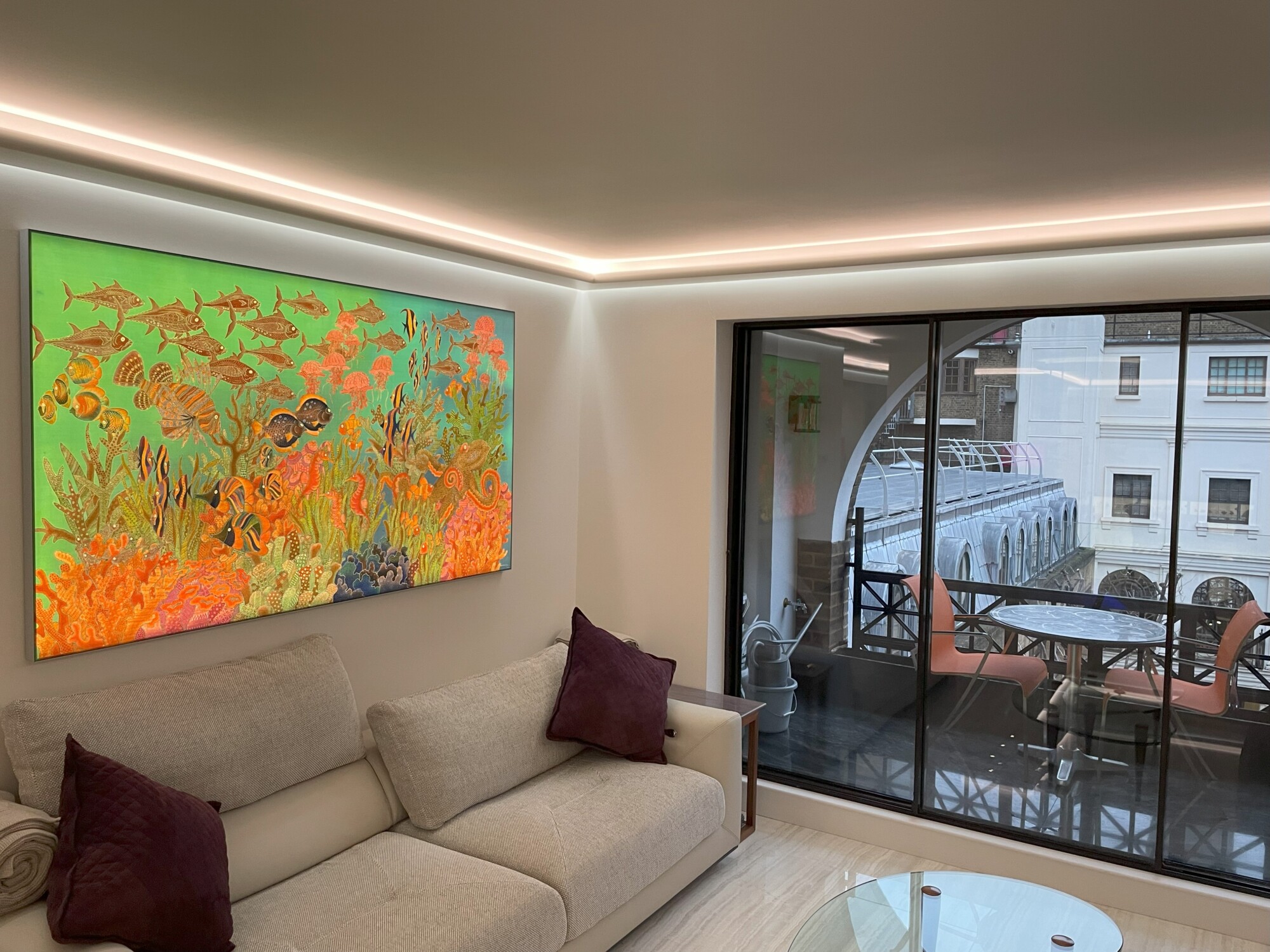
If you are installing ambient light such as Cove, Picture Rail and Wall Wash LED that are only used to create a mood and complement other lighting in the room, use 5wpm or lower.

It offers more than enough light for this type of application. This also means the drivers will be lower wattage and cost. In many circumstances, the need to make them dimmable is also removed. This is especially true with ambient LED lighting, particularly when installing a cove into a large room with a high meter count where ambient LED lighting is desirable.

A Comprehensive Guide to Understanding Colour Temperature

LED lighting has revolutionized the way we perceive and interact with light. From setting the mood in our living rooms to improving productivity in our workspaces, the versatile LED technology has made it possible to manipulate light to our advantage. A critical aspect of this manipulation is controlling colour temperature.

What is Colour Temperature?

Colour temperature is a measure of the light bulb’s colour when heated to a high temperature. The temperature is measured in degrees Kelvin (K) and can range from a warm yellow glow (around 2000K) to a cool blue light (6500K and above). The colour temperature you choose can significantly impact the ambience of your space and is a vital aspect of LED Control.

LED Control and Colour Temperature

LED Control is all about choosing the right colour temperature for your lighting needs. LED lights offer an extensive range of colour temperatures, allowing you to set the desired ambience in your space. Whether you want a warm, cozy glow for your living room or a cool, blue light for your workspace, LED Control lets you choose the perfect colour temperature.

The Kelvin Scale: The Measure of Colour Temperature

The Kelvin scale is used to measure the colour temperature of light. The scale starts with a warm, yellow light at the lower end (around 2000K) and progresses to a cool, blue light at the higher end (6500K and above). The right colour temperature for your space can be determined using this scale.

Interpreting the Kelvin Scale

Understanding the Kelvin scale can help you make the right LED Control decisions. Here’s a quick rundown:

  • Less than 2000K: Produces a dim, warm glow similar to candlelight. Ideal for creating a relaxed, cozy atmosphere.
  • 2000K-3000K: Gives off a soft, warm white light. Perfect for residential spaces like living rooms and bedrooms.
  • 3100K-4500K: Emits a cool, white light. Best suited for workspaces and kitchens where task lighting is needed.
  • 4600K-6500K: Generates a bright, blue-white light. Perfect for display areas and work environments requiring bright illumination.
  • Over 6500K: Produces a bright, bluish light. Ideal for task lighting in commercial locations.

The Role of Colour Temperature in Interior Design

The right colour temperature can enhance your interior design by highlighting certain colours and creating the desired mood. Warm white light complements reds, oranges, yellows, and woods, making them look vibrant and rich. On the other hand, cool white light makes blues and greys pop while giving whites a crisp appearance.

Colour Temperature and Circadian Rhythm

Lighting can also affect our circadian rhythms – the natural internal processes that regulate the sleep-wake cycle. Warm light can induce relaxation and sleepiness, while cool light can stimulate alertness and productivity. By controlling the colour temperature, you can influence your circadian rhythm and improve your overall well-being.

LEDs and Ambient Light

LEDs are perfect for creating ambient light – the base layer of light in a room. By adjusting the colour temperature, you can set the overall tone for your space. For example, a warm white light can create a relaxing, comfortable environment, while a cool white light can make a space feel energized and vibrant.

LED Control with LED Strips

LED strips are a popular choice for their versatility and ease of LED Control. These flexible strips can be easily installed anywhere and come in a variety of colour temperatures. With an LED strip, you can effortlessly create the perfect lighting for any space.

Choosing the Right LED Light

When choosing an LED light, consider the colour temperature, the purpose of the light, and the colours in your space. For a cozy, intimate atmosphere, go for LEDs with a warm colour temperature. For spaces where you need to be alert and focused, opt for LEDs with a cool colour temperature.

Conclusion

Mastering LED Control is all about understanding colour temperature and how it can influence the mood and functionality of your space. By choosing the right colour temperature, you can create the perfect ambience, enhance your interior design, and even improve your well-being. The next time you’re choosing an LED light, remember to consider its colour temperature – it can make all the difference!

Remember: LED lights are not just about illumination – they’re about creating the perfect environment for every moment.

How to install LED STRIP

The steps you need to know to be able to install LED strips with confidence.

The manual below will give you the do’s and the dont’s when working with LED strip. Once you know how, Linear lighting becomes and exciting addition to your options of lighting.

LED STRIP Manual

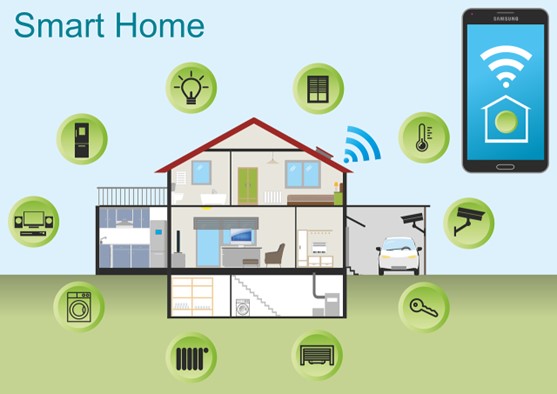
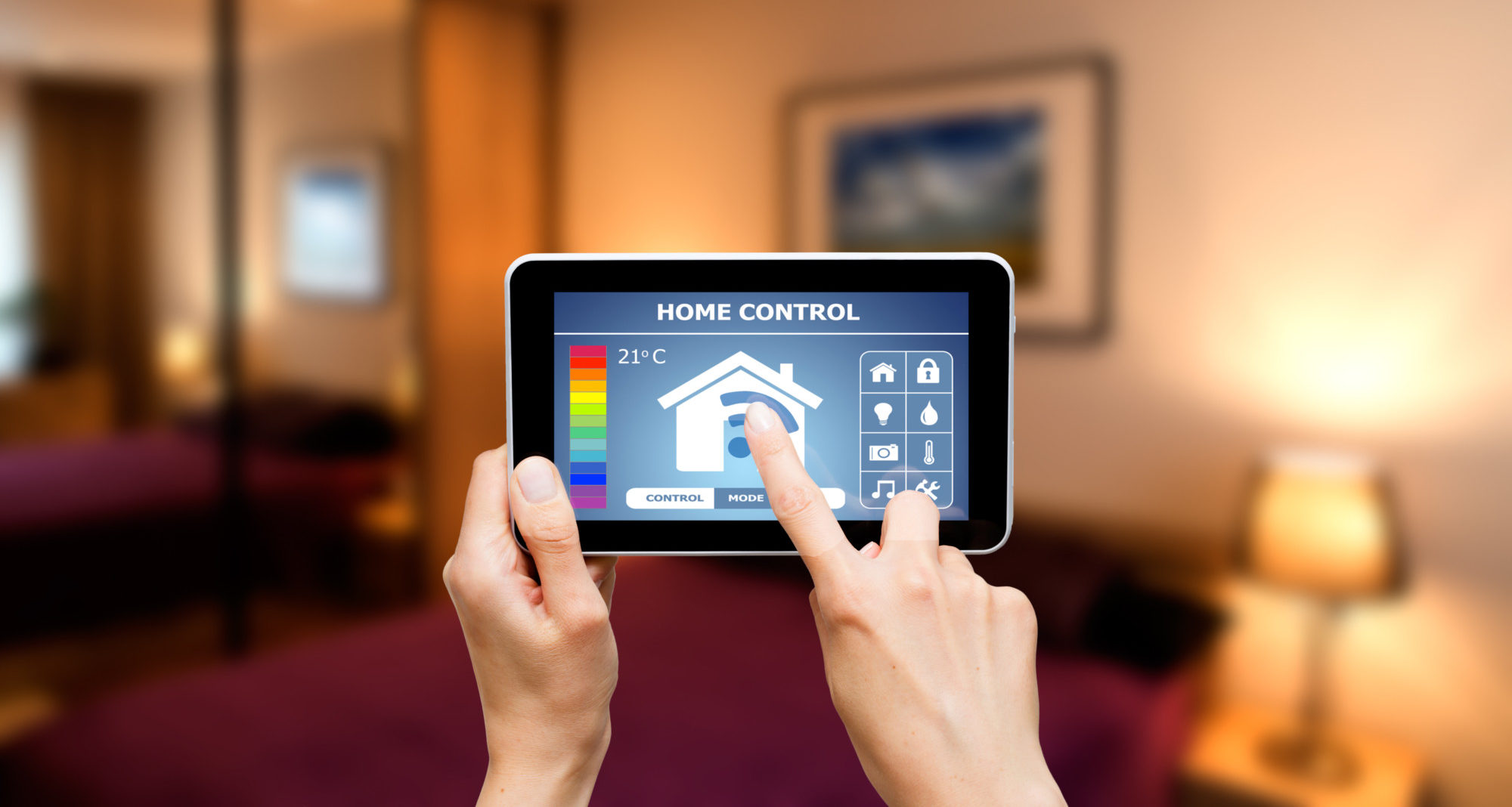
Benefits Smart Home Lighting

The Benefits of Smart Home Technology for Electricians


In today’s modern world, technology is advancing at an unprecedented rate. From smartphones to self-driving cars, innovation is transforming every aspect of our lives. One area that has seen tremendous growth is smart home technology. As an electrician, it is essential to stay updated with the latest trends in the industry. In this article, we will explore the benefits that smart home technology offers for electricians.

One of the significant advantages of smart home technology for electricians is the increased demand for their services. As more homeowners embrace smart home technology, the need for professional installation and maintenance of these systems is on the rise. Electricians can tap into this growing market and expand their customer base. By familiarizing themselves with smart home technology, electricians can position themselves as experts in the field and provide valuable services to homeowners.

Another benefit of smart home technology for electricians is the opportunity for professional growth. As technology continues to evolve, it is crucial for electricians to adapt and learn new skills. Smart home technology involves integrating various devices and systems, such as lighting, security, and HVAC, into a central hub. Electricians who specialize in smart home technology can enhance their skill set and offer more comprehensive solutions to their clients. This not only increases their value in the market but also opens up new avenues for career advancement.

Smart home technology also offers electricians the chance to provide energy-efficient solutions to homeowners. With the increasing focus on sustainability and reducing energy consumption, smart home devices play a crucial role. These devices can monitor and control energy usage, allowing homeowners to make informed decisions about their energy consumption. Electricians can help install energy-efficient devices, such as smart thermostats and LED lighting, and educate homeowners on how to optimize their energy usage. By promoting energy efficiency, electricians can contribute to a greener future while also saving homeowners money on their utility bills.

One of the most significant advantages of smart home technology for electricians is the ability to offer remote troubleshooting and maintenance. Smart home systems are connected to the internet, allowing homeowners to control and monitor their devices remotely. In the case of any issues or malfunctions, electricians can remotely diagnose and fix the problem, saving time and reducing the need for on-site visits. This not only improves efficiency but also enables electricians to provide prompt and convenient services to their clients.

Lastly, smart home technology can improve safety and security for homeowners, and electricians play a vital role in ensuring these systems are installed correctly. Smart home devices, such as surveillance cameras, motion sensors, and smart locks, enhance the security measures of a home. Electricians can help homeowners design and install these systems, ensuring they are integrated seamlessly with the existing electrical infrastructure. By offering top-notch security solutions, electricians can provide peace of mind to homeowners, knowing that their homes are protected.

In conclusion, smart home technology presents numerous benefits for electricians. From increased demand for services to professional growth opportunities, electricians can leverage smart home technology to their advantage. By embracing this technology, electricians can position themselves as experts, provide energy-efficient solutions, offer remote troubleshooting, and enhance the safety and security of homeowners. As the world becomes increasingly connected, it is essential for electricians to stay ahead of the curve and embrace the opportunities smart home technology brings.

Nailing outdoor lighting

Outdoor lighting can do wonders for your home. It not only enhances the aesthetics of your outdoor space but also improves safety and security. But what makes great outdoor lighting? In this article, we will explore the key factors that contribute to creating a fantastic outdoor lighting setup for homeowners.

First and foremost, a crucial aspect of great outdoor lighting is functionality. Your outdoor lighting should serve a purpose and meet your specific needs. Before installing any lights, consider the areas you want to illuminate and what activities take place in those areas. For example, if you have a patio where you often host gatherings, you may want to focus on installing lights that provide ample visibility for socializing and dining.

Next, let’s talk about the importance of proper placement. The placement of outdoor lights can make or break the overall effect. Strategic placement can highlight architectural features, landscaping elements, and pathways. It can also create a warm and inviting atmosphere. Experiment with different angles and heights to find the perfect balance of light and shadow.

Another crucial factor to consider is the type of lighting fixtures you choose. There are various options available, including wall-mounted, post-mounted, and hanging fixtures. Each type has its own unique advantages and can contribute to the overall ambiance of your outdoor space. For example, wall-mounted fixtures can provide a soft and diffused glow, while post-mounted fixtures can create a more dramatic effect.

When it comes to outdoor lighting, less is often more. Avoid over-lighting your outdoor space, as it can create a harsh and unwelcoming environment. Instead, aim for a balanced and subtle lighting design that enhances the natural beauty of your surroundings. Consider using low-voltage lighting options to create a softer and more inviting atmosphere.

In addition to function and aesthetics, safety should be a top priority when designing your outdoor lighting setup. Illuminate pathways, stairs, and entrances to prevent accidents and ensure that your outdoor space is easily navigable, especially during the evening hours. Motion sensor lights can be particularly useful in areas where extra security is needed.

Furthermore, energy efficiency is an important consideration for homeowners. Opt for LED lights, which consume less energy and have a longer lifespan compared to traditional incandescent bulbs. LED lights are not only environmentally friendly but also cost-effective in the long run.

Finally, don’t forget about maintenance. Regularly inspect and clean your outdoor lighting fixtures to ensure they are in proper working order. Replace any bulbs that have burned out and address any wiring issues promptly.

In conclusion, great outdoor lighting combines functionality, proper placement, appropriate fixture selection, and a balanced approach. It enhances the beauty of your outdoor space while providing safety and security. By considering these factors and making informed choices, homeowners can create a stunning outdoor lighting setup that adds value and enjoyment to their homes. So, go ahead and transform your outdoor space with the magic of lighting!

Lighting & Smart Home Project

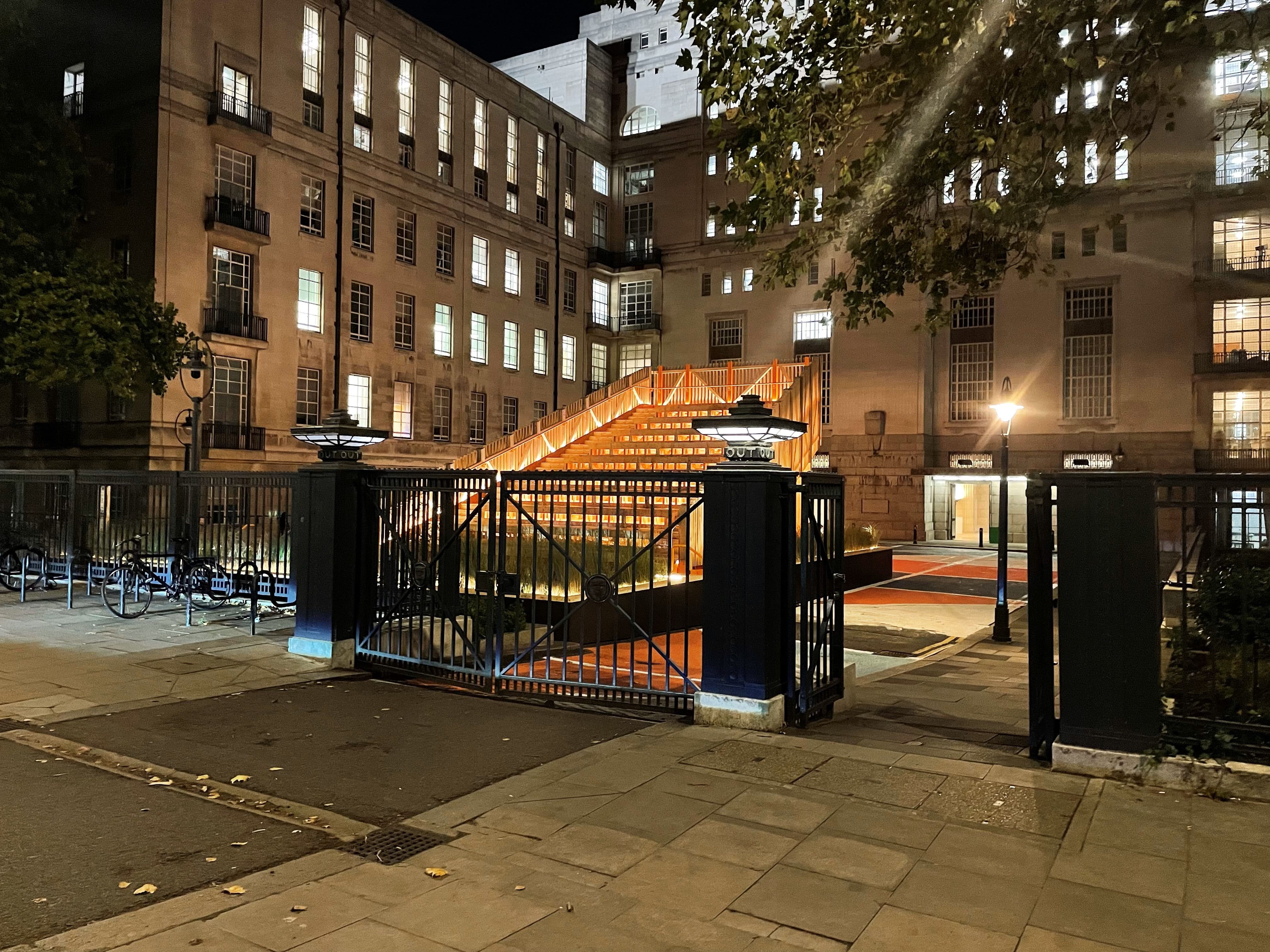
See you at the Pavilion – UCL

Weber made the structure out of renewable martials & steels which was a massive undertaking and the outcome is outstanding.

The lighting had to meet clear objectives or spotless illumination with LED strip as well as spot lights to accent plants and features. The main steps where to be illuminated as well.

The full system needed to integrate into the main buildings Dali control system and we engaged LUTRON to support us and supply Lutron VIVE infrastructure.

VIVID Lightworks, fabricated and supplied all the lighting to order, and assisted in the Creation & Commissioning of an external Control box. This offered full manual and app control whilst enabling the calibration of light levels to reduce energy consumption whilst still achieving a great impact.

Why is a Lighting Design so important?

Lighting is an essential aspect of any building project, and its design plays a crucial role in the success of the project. Whether it’s a residential, commercial, or industrial building, the right lighting design is key to creating a functional and aesthetically pleasing space. In this article, we will explore why a lighting design is important to a successful building project and how it contributes to the overall success of the project.

One of the main reasons why a lighting design is important is because it helps control costs. Efficient lighting design can significantly reduce energy consumption and lower electricity bills. By incorporating energy-efficient lighting fixtures, such as LED bulbs, the lighting system becomes more cost-effective in the long run. Additionally, a well-designed lighting system can reduce maintenance costs as it minimizes the need for frequent bulb replacements.

Another crucial aspect of lighting design is ensuring compatibility with other building systems. Lighting designers work closely with architects, electrical engineers, and interior designers to ensure that the lighting design integrates seamlessly with other building elements. This coordination is vital to avoid conflicts and ensure that the lighting design enhances the overall aesthetics and functionality of the space.

Furthermore, a well-executed lighting design covers every aspect of how a room or space will be used. It takes into consideration the specific needs and requirements of the occupants. For example, in a workplace setting, the lighting design should provide adequate illumination for tasks while minimizing glare and shadows. In a retail environment, lighting design must highlight products and create an inviting atmosphere for customers. In a residential setting, lighting design can enhance the ambiance and create different moods for various activities.

Lighting design also contributes to the safety and well-being of the building occupants. Proper lighting can prevent accidents by illuminating potential hazards and improving visibility. In emergency situations, an efficient lighting design combined with emergency lighting systems can guide people to safety exits. Additionally, lighting design plays a critical role in creating a comfortable and pleasant environment for occupants, which can have a positive impact on their well-being and productivity.

The aesthetic aspect of a lighting design should not be overlooked either. Properly designed lighting can accentuate architectural features, highlight artwork, and create visual focal points. It can transform a space from ordinary to extraordinary, adding depth, drama, and character. Lighting designers have a keen eye for balance, contrast, and color temperature, ensuring that the lighting design complements the overall design concept of the building.

In conclusion, a lighting design is essential to the success of any building project. From controlling costs and ensuring compatibility with other systems to covering every aspect of how a room will be used, lighting design plays a significant role in creating functional, safe, and visually appealing spaces. By incorporating a well-executed lighting design, architects and designers can enhance the overall experience of the occupants, elevate the aesthetics of the building, and contribute to its overall success. Therefore, investing in a professional lighting design is crucial for a successful building project.

Search for products

Back to Top
Product has been added to your cart
Compare (0)